

Survivors risked everything to speak. Now the system must meet them with complete transparency and prosecution wherever the evidence leads.
Jeffrey Epstein’s crimes are staggering, but the true test before us extends far beyond one man. We are at a crossroads: Will the system that enabled his violence finally deliver justice, or will it continue to prioritize institutional self-preservation over the lives of survivors?
For more than two decades, I have worked inside U.S. courtrooms and legal institutions, litigating domestic violence and sexual assault cases. I have trained attorneys and advocates on how to confront the structural failures that often deny survivors meaningful justice. The patterns displayed in the Epstein case and the gaps exposed by the most recent release of related documents exemplify these structural failures.
Investigative journalist Julie K. Brown with the Miami Herald has extensively documented the mishandling of the Epstein case. Early reports and accusations were treated with skepticism; initial investigations were shut down; charges were narrowed; powerful actors were shielded; and even meaningful survivor notification of prosecutorial decisions was bypassed.
Selective Disclosure Is Not Transparency
The full disclosure of the Epstein files, mandated through the Epstein Files Transparency Act passed by Congress in November 2025, has been astonishingly limited, with entire categories of documentation still withheld. Survivors have reported that the Department of Justice has denied their requests to meet and testify. The recent release of files failed to redact identifying information and photos of victims, thus endangering and retraumatizing them—while powerful abusers, co-conspirators and associates of Epstein were redacted and remain largely protected.
As survivors continue their fight for the full release of the files, this apparent pattern of narrowed charges, sealed agreements, excessive redactions and delayed release, particularly where powerful individuals are concerned, makes it increasingly clear that the system has functioned to shield those with power from this scandal.
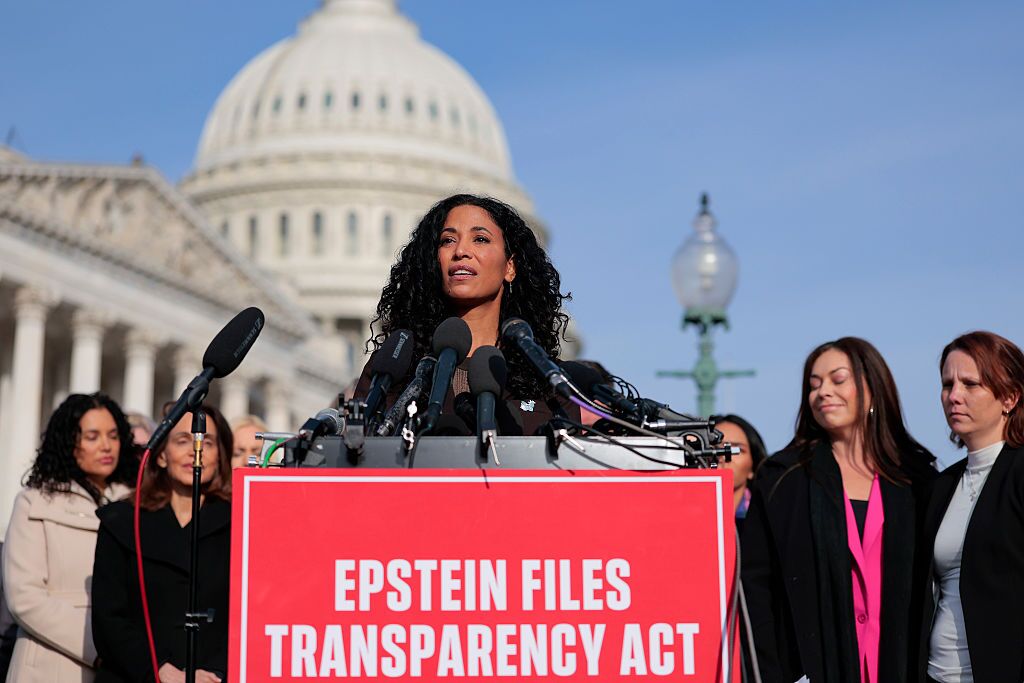
Recent reporting from NPR (and confirmed by other outlets) found the DOJ withheld portions of the Epstein files referencing allegations that President Donald Trump sexually abused a minor when she was 13, a violation of the law requiring full disclosure of the files.
Whether or not any particular allegation in the files ultimately results in prosecution, the selective release of materials in a case of this magnitude raises profound concerns about transparency, consistency and the state’s commitment to due diligence.
When victims are exposed while power remains shielded, accountability has not just failed—it has been inverted. The opposite of accountability is perpetrator protection, and that is precisely what is happening in the wake of the release of the Epstein files. By failing to redact the intimate details of survivors while simultaneously scrubbing the names of the powerful, the state has weaponized “transparency” to further the interests of the predator class.
This is why the case matters.
The Institutions That Enabled Epstein
This case is not just about Epstein, Ghislaine Maxwell and their network of conspirators. It is about how sexual assault survivors are forced to navigate a judicial system that was never built with their protection and justice as its priority. The judicial system at the state and federal levels has developed legal and culturally biased structures with a long history of protecting perpetrators. The Epstein files are evidence of how credibility, discretion, secrecy and institutional reputation can converge to dilute accountability, even in the face of overwhelming evidence.
The survivors who have come forward in this case have provided credible accusations and extensive documentation. They found strength in their collective numbers, chronicling a staggering scope of abuse. Epstein was indicted for these crimes before his 2019 death by suicide in jail. His co-conspirator, Maxwell, is currently serving a federal sentence for her role in the sex trafficking ring.
Their sentences serve as a rare, albeit incomplete, marker of accountability in a system that, for decades, allowed their crimes to flourish.
And yet, credibility continues to dominate much of the cultural conversation, even in coverage of the systemic harms caused by the handling of this case.
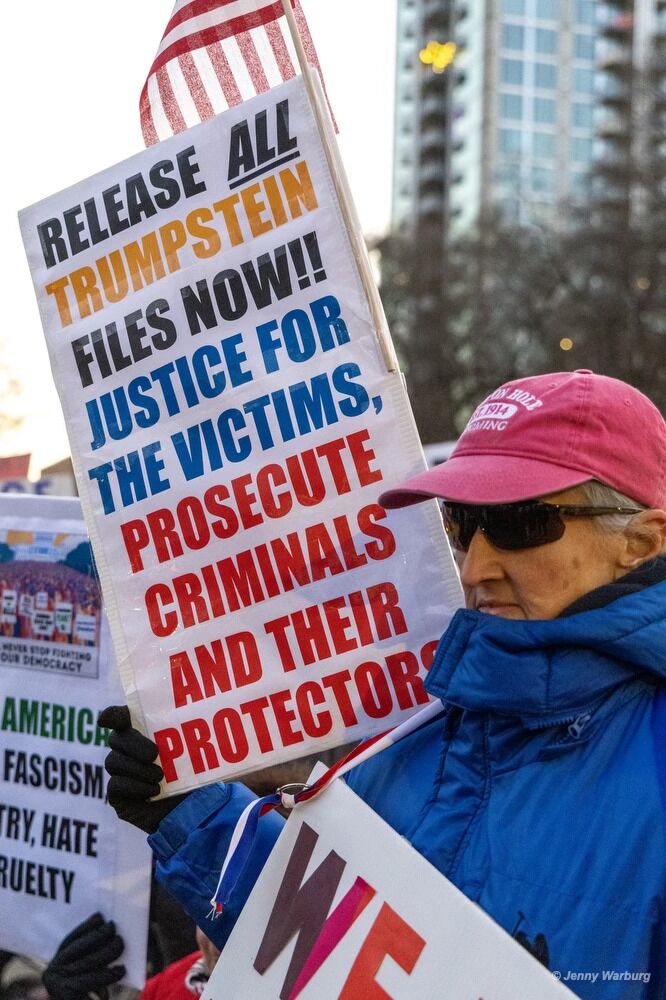
Casting doubt around credibility is not accidental; it’s written into the playbook. Claiming questionable credibility is how institutions have habitually hidden, hesitated, stalled, narrowed and negotiated justice for survivors.
In my legal experience, the greatest threat to justice for victims of sexual assault is not credibility. Given the social, legal and personal risks that accompany reporting sexual violence, false reports remain exceedingly rare.
The real cultural and legal challenge is silence.
Why Survivors Don’t Report
The majority of women and girls who experience sexual violence never report. They stay silent because they have seen the cost of speaking out. They know how quickly the lens shifts, blurring the predator’s crimes to scrutinize the survivor’s credibility. Today, millions of survivors across the globe are watching this case, waiting to see if the system finally believes the victims.
When the most extensively documented exploitation network in history results in only partial transparency, the message to survivors is chilling. It proves that even when the evidence is overwhelming, the system is designed to protect entrenched power.
The United Nations is no longer just watching; it is demanding action. Independent human rights experts have warned that the “egregious” evidence in the Epstein files points to a transnational network of dehumanization and commodification. To move on without full accountability, they argue, is an unacceptable failure that threatens to normalize sexual violence as an unavoidable byproduct of entrenched power.
These U.N. experts warn: “So grave is the scale, nature, systematic character, and transnational reach of these atrocities against women and girls, that a number of them may reasonably meet the legal threshold of crimes against humanity.”
When State Failure Becomes a Human Rights Violation
International human rights law offers a useful lens through which to evaluate this moment. It establishes that accountability is not a matter of political will, but a binding requirement for the state to investigate and redress systemic violence.
The Universal Declaration of Human Rights affirms that “all human beings are born free and equal in dignity and rights” and are entitled to equal protection of the law and an effective remedy.
The U.N.’s 1979 Convention on the Elimination of All Forms of Discrimination Against Women, widely recognized as a foundational global framework on gender equality, is clear: Gender-based violence constitutes discrimination and articulates a due diligence standard requiring states to prevent, investigate, prosecute and provide effective remedies.
Although the United States has not yet ratified CEDAW, the convention and its interpretive guidance reflect widely recognized international standards on state responsibility for gender-based violence. CEDAW’s General Recommendation No. 35 makes clear that failures in investigation and prosecution can themselves amount to violations of women’s rights.
Due diligence is the legal antidote to “perpetrator protection.” It means a full investigation, unredacted transparency, and the prosecution of all who are complicit. It demands that survivors be centered, not sidelined, and that the state provides a meaningful remedy for its failure to protect.
At a time when constitutional constraints and international legal commitments are being openly tested across multiple arenas, fidelity to due diligence in cases of systemic gender-based abuse becomes a test of institutional legitimacy.
The Price of Partial Accountability: What the World Is Learning From This Case
If one of the most extensively documented sexual exploitation networks in modern history results in partial file releases, incomplete disclosure and limited accountability, the consequences will extend around the world.
Silenced survivors watching will decide if they feel safe to report their own trauma. Every institution involved, from the DOG to the courts, is now weighing their reputation against transparency. As governments worldwide retreat from commitments to women’s rights, the United States must decide: Will it reveal the full extent of this corruption, or will it signal to the world that power remains a shield for abuse?
Historically, the U.S. has positioned itself as a global advocate for gender equality and human rights. When the U.S. abandons due diligence in a case of this magnitude, when accountability stalls, it sends a clear message to the world: human rights mandates are negotiable. Inaction weakens human rights mandates painstakingly built through CEDAW, the U.N. and decades of feminist advocacy.
Demanding Full Disclosure and Prosecution
We must look at this with clear eyes. We must examine how power was weaponized to harm women and girls for decades, and why the institutions meant to protect them chose to look away. Now is the time to demand what was always owed: full transparency and absolute justice.
The standard for justice is clear:
- Full release of all investigative files.
- Full disclosure of the network’s true scale.
- Full prosecution wherever the evidence leads.
- Meaningful engagement with every survivor.
Anything less isn’t just a failure—it’s the normalization of partial accountability. And in a case this significant, “partial” justice sends a dangerous message that will echo far beyond this moment.
From a legal background, I have seen firsthand what it takes for women to come forward to share their trauma and abuse. I have sat with survivors as they weigh the costs: public scrutiny, disbelief, retaliation, exposure and re-traumatization. The pressures are immense. The personal risks are real.
The women who came forward in the Epstein case did so despite every institutional pressure to stay silent. They spoke knowing the system might fail them again—but they spoke anyway, hoping the truth would finally matter.
Their courage deserves more than partial measures; it deserves full accountability. Beyond any one man, the system itself is on trial. The question is whether we will finally see clearly, and choose justice accordingly.
Great Job Justine Andronici & the Team @ Ms. Magazine for sharing this story.